

Industrial Photography Perth: Capturing Complex Environments with Precision
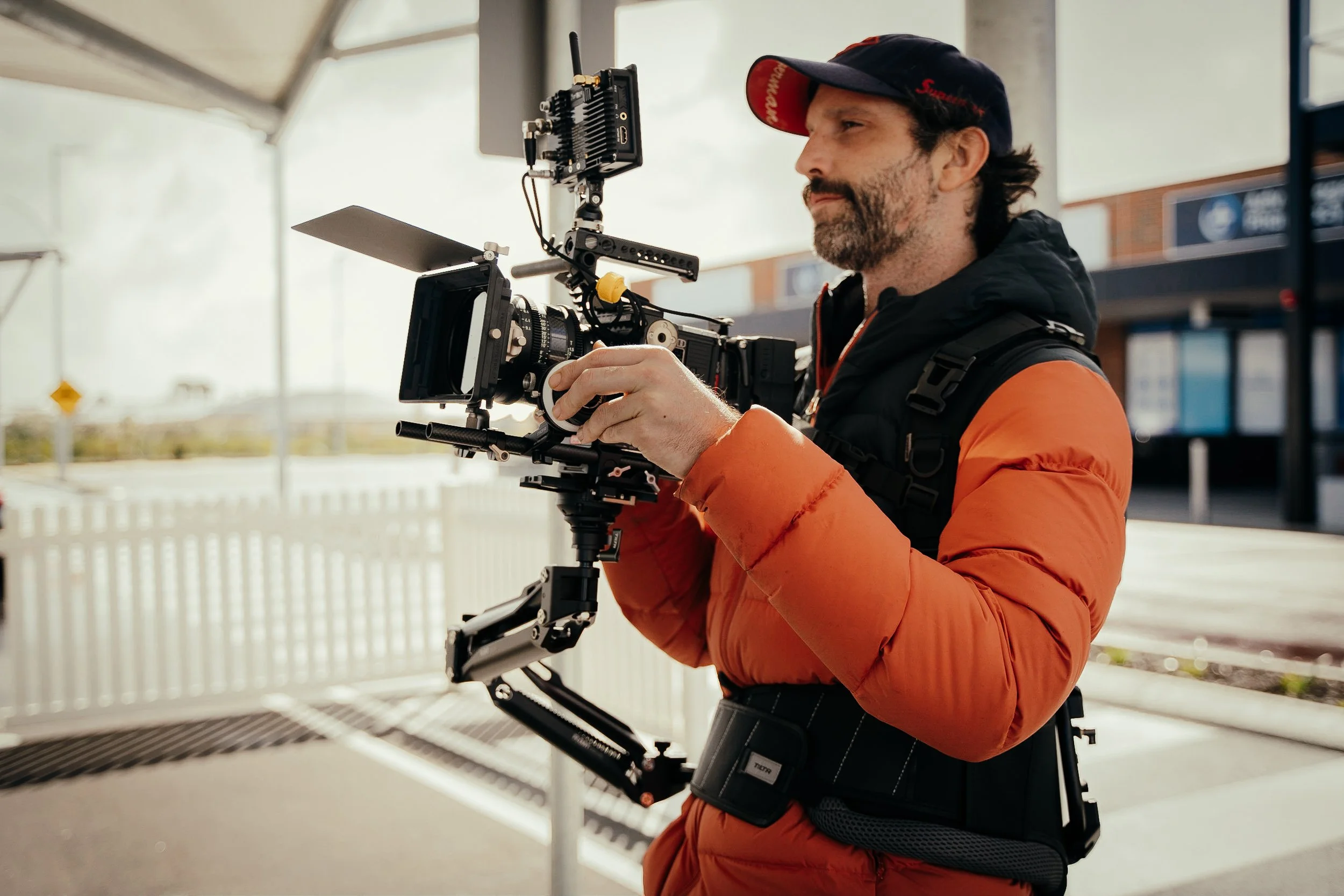
Industrial photography plays an essential role in documenting large-scale operations, engineering systems, and highly technical work environments. In a city like Perth, where mining, construction, energy, and manufacturing industries form a major part of the economy, accurate visual documentation is not just useful but often necessary.
Industrial photography Perth focuses on capturing these environments with clarity, structure, and technical precision. It is not simply about taking pictures of machinery or factories, but about translating complex operations into understandable and reliable visual records. Apertunity Productions works within this space to support industries with clear and consistent visual documentation.
What is Industrial Photography
Industrial photography refers to the specialised practice of capturing images within industrial environments such as factories, production plants, warehouses, workshops, and large-scale outdoor industrial sites. These environments are often complex, fast-moving, and technically demanding.
Unlike general commercial photography, industrial photography requires an understanding of machinery, workflows, safety protocols, and operational environments. The goal is to represent real working conditions accurately while maintaining visual clarity and composition.
These images are commonly used for internal documentation, compliance reporting, training materials, corporate communication, and industry presentations. In industrial photography Perth, the emphasis is often on large-scale industries where precision and safety are critical.
Importance of Industrial Photography in Perth’s Industrial Sector
Perth has a strong industrial base, including mining, oil and gas, engineering, construction, and manufacturing. These sectors operate on a large scale, often in remote or controlled environments. It also supports transparency and accountability by providing accurate records of operational conditions, equipment usage, and project progress. In many cases, these visual records are used for audits, safety compliance, and long-term project documentation.
Showcasing technical capability and infrastructure
It helps present heavy machinery, systems, and industrial setups in a clear and professional visual format, making it easier for external audiences to understand operational strength.Improving client communication
Visual documentation simplifies complex industrial processes, allowing clients to quickly grasp how operations function without relying only on technical descriptions.Strengthening investor and stakeholder presentations
High-quality industrial imagery supports presentations by offering real-world proof of scale, capability, and ongoing operations.Enhancing internal training and workforce understanding
Images can be used as reference material to help employees understand workflows, safety procedures, and operational processes more effectively.
Planning and Pre-Production in Industrial Photography
Successful industrial photography begins long before the camera is used. Planning and preparation are critical, especially in high-risk or complex environments.
Understanding the site layout is one of the first steps. This includes identifying key machinery, production zones, safety restricted areas, and operational schedules. Coordination with site managers ensures that photography work does not interfere with production or safety procedures.
Risk assessments and safety inductions are often required before entering industrial sites. This ensures compliance with workplace safety standards and reduces disruption during shooting.
In industrial photography Perth, pre-production planning often determines the success of the entire shoot, particularly in environments such as mining sites or active factories where timing and access are limited.
Key Applications of Industrial Photography
Industrial photography is used across multiple sectors, each with specific visual requirements and objectives.
Machinery Documentation
Machinery documentation focuses on capturing industrial equipment in detail. This may include cranes, conveyor systems, drilling rigs, heavy fabrication tools, or automated production machinery.
The purpose is to show scale, condition, and functionality. These images are often used for technical manuals, maintenance logs, operational reports, and procurement documentation. Clarity and accuracy are more important than stylised visuals.
Factory and Production Environments
Factory photography captures production lines, assembly processes, and manufacturing workflows. These environments are structured but often busy, requiring careful composition to avoid visual clutter.
The goal is to present a clear understanding of how products are made and how systems operate. This type of photography is widely used for corporate reporting, investor presentations, and internal communication.
Heavy Industrial Sites
Heavy industry photography Perth typically includes mining operations, construction projects, oil and gas facilities, and large-scale processing plants.
These environments are often expansive and involve significant safety considerations. Photographers must work around operational schedules and restricted zones while still capturing meaningful visuals.
The focus is on scale, environment, and operational activity. These images help document large infrastructure projects and ongoing industrial processes.
Techniques and Challenges in Industrial Photography
Industrial environments present a range of technical and environmental challenges that require adaptability and experience.
Lighting Conditions
Lighting in industrial environments is often inconsistent. Large indoor facilities may have limited natural light, while outdoor sites can present harsh sunlight or dust interference.
Photographers often rely on a combination of available light and controlled exposure settings to maintain detail across both highlights and shadows. The objective is to ensure clarity without altering the natural look of the environment.
Safety and Operational Restrictions
Safety is a major factor in all industrial photography Perth projects. Sites often require protective clothing, safety inductions, and strict adherence to operational guidelines.
Certain areas may be restricted entirely due to ongoing machinery operation or hazardous conditions. This requires flexibility in planning and the ability to work within defined boundaries.
Composition in Complex Environments
Industrial settings are visually dense, with multiple layers of machinery, structures, and movement. Effective composition is required to avoid confusion in the final image.
Photographers must identify key focal points and use framing techniques that highlight structure and scale without overwhelming the viewer. This is particularly important in factory photography and heavy industrial environments.
Equipment Used in Industrial Photography
Industrial photography often requires specialised equipment to handle challenging environments. Wide-angle lenses are commonly used to capture large spaces, while telephoto lenses help isolate specific machinery or details from a distance.
Tripods may be used in low-light environments to maintain sharpness. In some cases, protective camera housing is necessary when working in dusty or high-risk conditions such as mining sites.
Post-processing tools are also used to adjust exposure balance and enhance clarity while maintaining a realistic representation of the environment.
Post-Production and Image Processing
Post-production plays an important role in refining industrial images without altering their authenticity. Adjustments are typically made to correct exposure, balance lighting, and enhance detail in shadows or highlights.
Colour correction is used to ensure consistency across a series of images, especially when documenting large facilities or long-term projects. The goal is not to enhance beyond reality but to improve clarity and readability.
Apertunity Productions ensures that industrial images remain true to the environment while presenting them in a professional and structured format.
Benefits of Industrial Photography
Industrial photography provides value beyond simple documentation. It supports communication between technical teams, management, and external stakeholders by making complex processes easier to understand.
It also strengthens reporting and compliance documentation by providing visual evidence of operations, safety standards, and project progress.
In industries across Perth, where large-scale operations are common, industrial photography Perth plays an important role in maintaining accurate and reliable visual records over time.
Tips for Effective Industrial Photography
Preparation remains the most important factor in achieving successful results. Understanding the site layout and operational schedule allows for better planning and more efficient shooting.
Communication with site personnel ensures safety protocols are followed and access is managed correctly. Patience is also important, as industrial environments often involve unpredictable movements and changing conditions.
The most effective industrial photography balances technical accuracy with visual clarity, ensuring that each image communicates both scale and purpose.
Conclusion
Industrial photography Perth is a vital part of documenting and understanding complex industrial environments. From machinery documentation and factory photography to large-scale heavy industry projects, it provides clarity, structure, and long-term value.
With careful planning, technical understanding, and attention to safety, industrial photography becomes a reliable method for capturing the industrial landscape of Perth.
Apertunity Productions operates within this field to ensure that industrial operations are documented with accuracy, consistency, and professional clarity.
If you are planning an industrial project and need structured visual documentation, you can reach out to Apertunity Productions to discuss how the process can be aligned with your site requirements and project goals.
Frequently Asked Questions
-
It is used to document industrial environments, machinery, and processes for reporting, training, compliance, and communication. It also helps businesses clearly present complex operations to clients and stakeholders.
-
Perth’s strong mining, engineering, and manufacturing sectors rely on visuals to showcase large-scale operations. It helps improve communication, reporting, and marketing for industrial businesses.
-
It covers mining sites, construction zones, processing plants, and large industrial facilities. It focuses on capturing machinery, operations, and large-scale working environments.
-
It focuses on manufacturing floors, production lines, and controlled indoor environments. It highlights workflows, equipment, and step-by-step production processes.
-
Challenges include low or harsh lighting, safety restrictions, and limited access areas. Photographers must also work around operations without disrupting workflows.