

Marine Video Production in Perth: Challenges and Techniques for Filming on Water
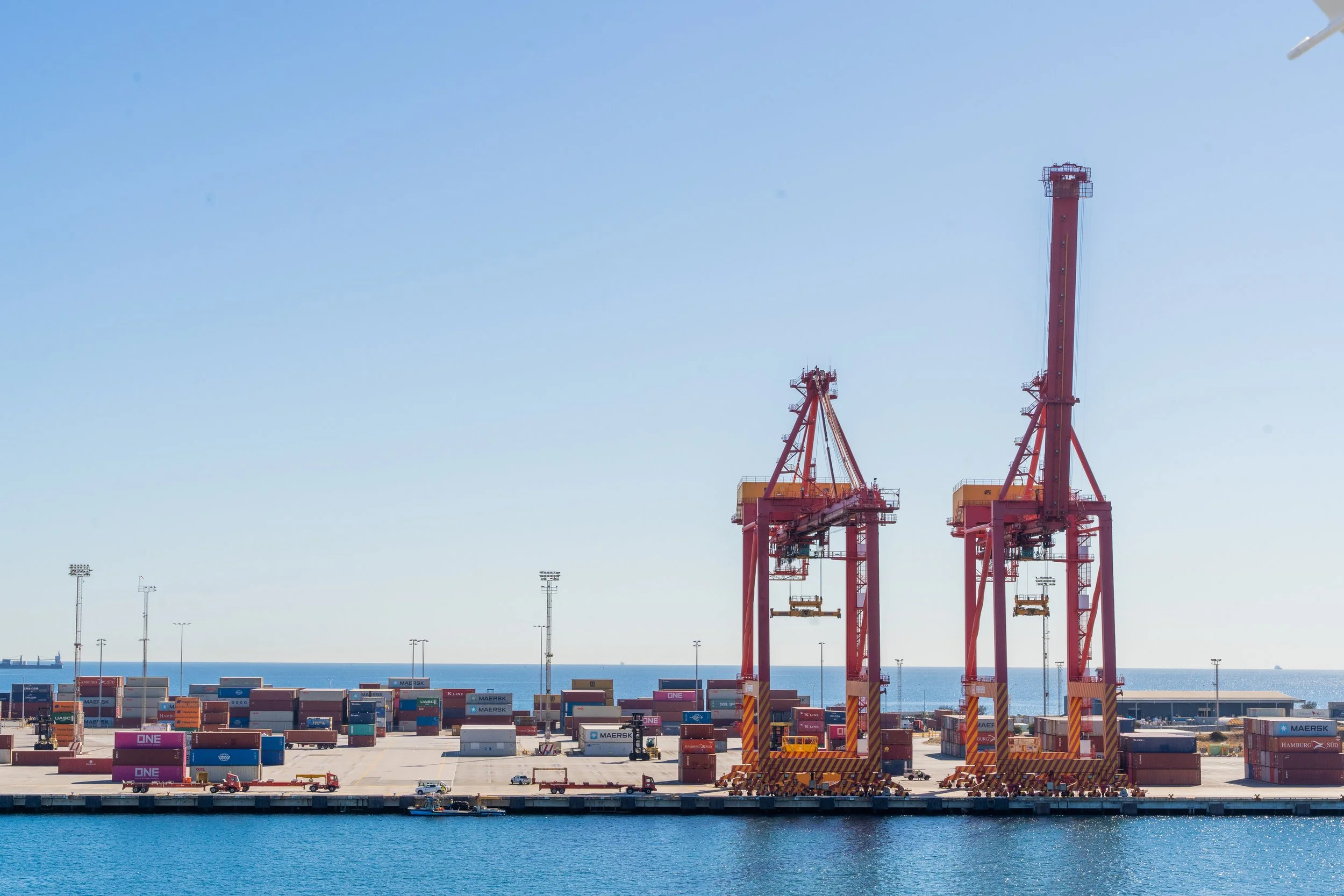
Marine video production in Perth involves capturing footage in one of the most unpredictable and visually dynamic environments. Unlike land-based filming, working on water introduces constant movement, changing light conditions, and environmental factors that can significantly impact both planning and execution.
From commercial vessels and port operations to recreational boating and coastal activity, marine environments require a specialised approach to filming. Marine video production in Perth focuses on creating stable, clear, and purposeful visuals despite the natural instability of the ocean environment. Apertunity Productions works within this space to document marine activity with technical precision and environmental awareness.
What is Marine Video Production
Marine video production refers to filming activities that take place on or around water. This includes oceans, harbours, rivers, and coastal zones. It can involve capturing boats in motion, port operations, offshore work, marine tourism, or environmental documentation.
Unlike standard video production, marine videography Perth requires consideration of water movement, weather changes, safety constraints, and limited control over filming conditions. Every shoot demands flexibility and careful preparation.
The purpose of marine video production is to communicate real-world maritime activity clearly. This may be used for operational documentation, promotional material, training content, or environmental reporting.
Challenges of Filming in Marine Environments
Filming on water presents a unique set of challenges that are not found in most other production environments. These challenges directly affect camera stability, lighting, sound, and overall planning.
Constant Movement and Stability Issues
One of the biggest challenges in marine video production in Perth is the constant movement of boats and water surfaces. Even on relatively calm days, vessels are rarely stable.
This movement makes it difficult to maintain steady shots, requiring specialised stabilisation techniques and careful camera handling. The unpredictability of motion also affects framing and composition, especially when filming from one moving vessel to another.
Weather and Environmental Conditions
Marine environments are highly dependent on weather conditions. Wind, rain, humidity, and sunlight can change quickly and affect filming quality.
Bright sunlight reflecting off water can cause exposure issues, while cloudy conditions may reduce visibility and colour clarity. Wind can also impact both camera stability and audio recording quality, making pre-production planning essential.
Safety Constraints
Safety is a major consideration in marine videography Perth projects. Filming on boats, docks, or offshore locations requires adherence to strict safety protocols.
Life jackets, secure equipment handling, and coordination with crew members are essential. In many cases, filming positions are limited due to movement risks or restricted access areas on vessels.
Limited Control Over Shooting Conditions
Unlike studio or land-based environments, marine video production offers limited control over the environment. Camera operators must adapt to changing angles, shifting light, and unpredictable subject movement.
This requires quick decision-making and the ability to adjust settings and framing in real time without disrupting the natural flow of activity.
Essential Equipment for Marine Videography
Equipment plays a crucial role in ensuring stable and high-quality footage in marine environments. Because of the challenges involved, specialised tools are often required.
Stabilisation Systems
Gimbals and stabilised camera rigs are essential for reducing the impact of boat movement. These systems help keep footage smooth even when filming on shifting surfaces.
In some cases, additional stabilisation may be used when capturing long-range shots between vessels or from dockside positions.
Waterproof and Weather-Resistant Gear
Marine environments expose equipment to water, salt, and humidity. Cameras and lenses must be protected using waterproof housing or weather-sealed gear.
This ensures equipment remains functional even in challenging conditions such as sea spray or light rain, which are common in coastal filming locations.
Long-Range Lenses
Telephoto lenses are often used in marine video production in Perth to capture detailed shots from a distance. This is particularly useful when filming boats in motion or offshore operations where proximity is limited.
Long-range lenses also help maintain safety by allowing filming from stable ground or support vessels.
Drones for Aerial Filming
Drone technology is widely used in ocean filming to capture aerial perspectives of vessels, coastlines, and marine activity. Aerial footage provides scale and context that is difficult to achieve from water level.
However, drone use in marine environments requires careful attention to wind conditions and regulatory restrictions.
Techniques for Effective Marine Video Production
Successful marine filming relies on a combination of technical skill, timing, and adaptability. Because conditions are constantly changing, techniques must be flexible and responsive.
Anticipating Movement
In marine environments, anticipating movement is more important than reacting to it. Whether filming boats, waves, or crew activity, understanding motion patterns helps in capturing smoother and more intentional footage.
This is particularly important in boat videography, where both subject and camera platform may be moving simultaneously.
Using Natural Light Effectively
Lighting on water is highly reflective and constantly changing. Filmmakers often work with early morning or late afternoon light to reduce harsh reflections and improve colour balance.
Positioning also plays a key role. Adjusting angles relative to the sun helps control glare and improves clarity in ocean filming environments.
Maintaining Framing Stability
Even small shifts in position can significantly affect framing when filming on water. Operators often use fixed reference points on vessels or shoreline structures to maintain consistent composition.
This is especially important when capturing sequences that require continuity, such as operational workflows or movement-based storytelling.
Working with Crew Coordination
Marine video production in Perth often involves collaboration with boat crews, port staff, or marine operators. Clear communication is essential to ensure safe positioning and coordinated movement during filming.
Timing instructions help align vessel movement with camera positioning, improving the overall quality of captured footage.
Types of Marine Video Production Work
Marine filming covers a wide range of applications depending on industry needs and objectives.
Commercial and Industrial Marine Filming
This includes documentation of port operations, shipping logistics, offshore services, and marine engineering projects. The focus is on accuracy and operational clarity.
Recreational and Tourism Content
Marine videography Perth is also used for capturing tourism experiences, boat charters, and coastal activities. These projects often focus on visual storytelling and environmental appeal.
Environmental and Coastal Documentation
Ocean filming is used to document marine ecosystems, coastal changes, and environmental studies. These projects require careful handling to avoid disturbing natural habitats.
Outcomes and Value of Marine Video Production
The value of marine video production lies in its ability to translate complex water-based environments into clear visual stories. Whether used for operational records, marketing, or education, the footage provides insight into environments that are otherwise difficult to document.
High-quality marine video production in Perth helps organisations communicate scale, activity, and environment in a structured and accessible format. It also supports long-term documentation of marine operations and coastal developments.
Conclusion
Marine video production in Perth is a highly specialised field that requires technical expertise, environmental awareness, and strong adaptability. From stabilisation challenges and weather conditions to equipment selection and crew coordination, every aspect of filming on water demands careful planning.
Apertunity Productions works within this environment to capture marine activity with clarity and consistency, ensuring that ocean-based operations are documented accurately and effectively.
If you are planning a marine or coastal project and need professional video production support, you can connect with Apertunity Productions to discuss your requirements and filming conditions in detail.
Frequently Asked Questions
-
It is used to capture marine activity such as boating operations, port work, tourism, and coastal environments for documentation, training, or communication.
-
It is challenging due to constant water movement, changing weather conditions, safety restrictions, and limited control over filming environments.
-
Stabilisation systems, waterproof cameras, long-range lenses, and drones are commonly used for marine filming.
-
Boat videography focuses on capturing vessels in motion, onboard activities, and marine operations from water or shore-based positions.
-
Ocean filming involves unstable surfaces, reflective lighting, and environmental unpredictability, making it more complex than land-based video production.