

What Makes Mining Photography Unique and Why It Requires Expertise
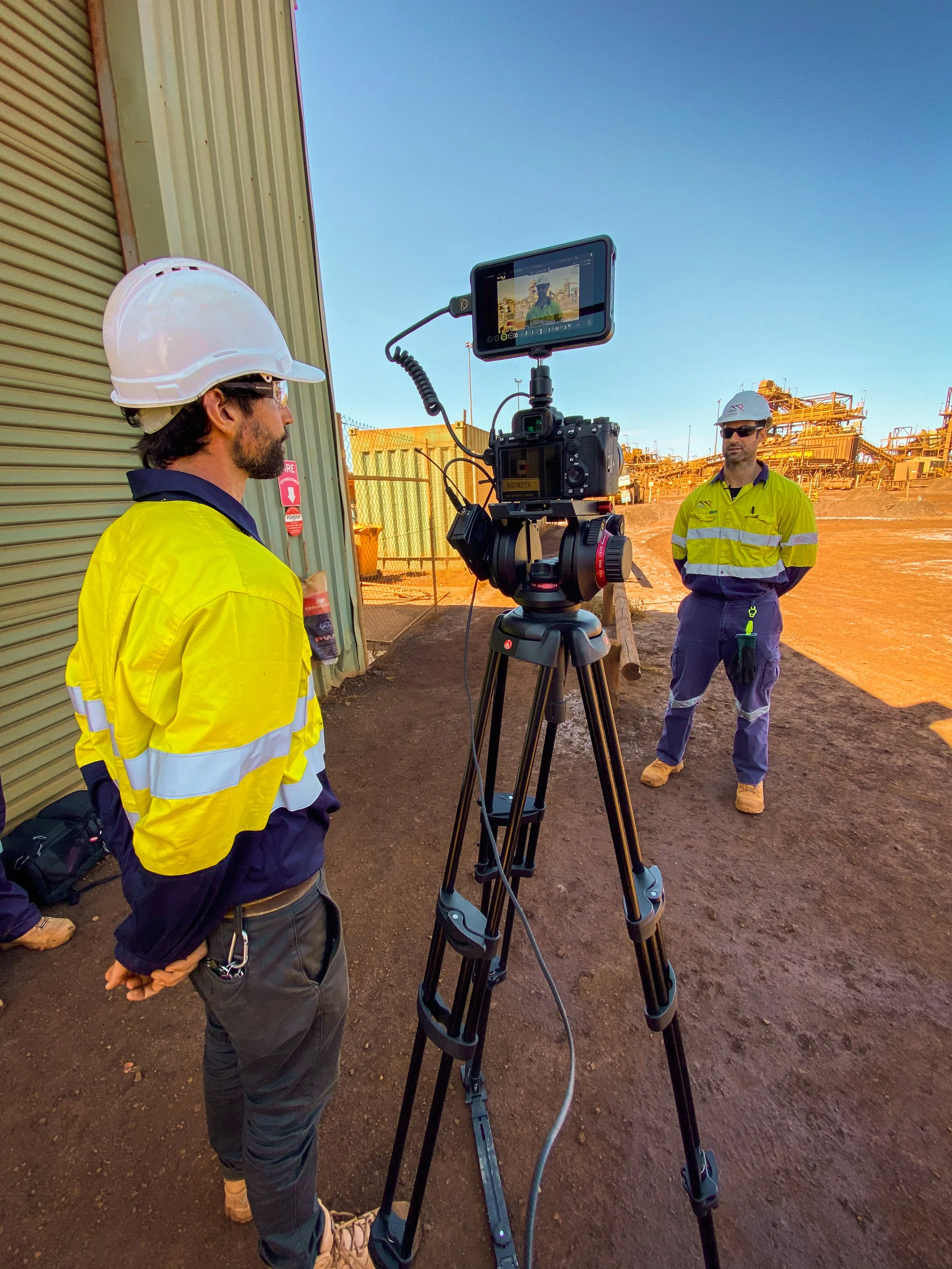
Mining is one of the most demanding and complex industries in the world, and capturing its operations visually requires a specialized skill set. Unlike standard photography, mining photography Perth involves working in challenging environments, adhering to strict safety protocols, and understanding the technical aspects of heavy industry. For mining companies, high-quality visuals are not just about aesthetics—they are essential for documentation, marketing, and stakeholder communication.
Professional photography plays a critical role in showcasing operations, highlighting safety practices, and building a strong brand presence. Partnering with an experienced team like Apertunity Productions ensures that mining companies receive high-quality, accurate, and impactful visual content tailored to their industry needs.
The Unique Nature of Mining Photography
Mining photography stands apart from other forms of photography due to the environment and subject matter. Photographers often work in remote locations, extreme weather conditions, and hazardous sites. Capturing images in such settings requires not only technical photography skills but also a deep understanding of mining operations.
From large-scale machinery to underground tunnels, every element must be captured with precision and clarity. This type of photography often includes documenting processes, equipment, and workforce activities, making it both technical and storytelling-driven.
Understanding Industrial Environments
One of the key aspects of industrial photography Perth is the ability to adapt to complex industrial settings. Mining sites are dynamic environments where conditions can change rapidly. Dust, noise, vibrations, and limited lighting are common challenges that photographers must overcome.
Professional photographers use specialized equipment and techniques to handle these conditions. This includes using protective gear for cameras, adjusting lighting setups, and selecting the right angles to capture clear and impactful images.
Importance of Safety Knowledge
Safety is a top priority in mining, and photographers must strictly follow site regulations. Unlike traditional photography assignments, mining photography requires knowledge of safety protocols, personal protective equipment (PPE), and site-specific guidelines.
Experienced professionals understand how to work safely without disrupting operations. They are trained to navigate hazardous environments while ensuring compliance with all safety standards. This expertise is essential for both the photographer and the mining company.
Capturing Heavy Industry with Precision
Heavy industry photography involves capturing large-scale machinery, infrastructure, and operational processes. These elements require careful composition and technical accuracy to convey their scale and importance.
Photographers must understand how to highlight key details such as equipment functionality, workforce interaction, and operational efficiency. This level of detail helps create visuals that are both informative and visually compelling.
The Role of Site Photography
Site photography is crucial for documenting mining projects at various stages. From exploration and development to production and closure, each phase requires detailed visual records.
These images are used for reporting, compliance, and communication with stakeholders. High-quality site photography ensures that all aspects of a project are accurately documented and easily understood.
Mid-Project Visual Documentation and Branding
Mining companies often need visuals for presentations, reports, and marketing materials. Professional photography helps create a consistent and credible brand image.
By showcasing real operations, companies can build trust with investors, clients, and the public. Reviewing recent projects provides insight into how professional photography captures the essence of mining operations.
Additionally, comprehensive our services offerings ensure that businesses receive tailored solutions for their specific needs, from aerial photography to detailed site documentation.
Advanced Equipment and Techniques
Mining photography requires specialized equipment to handle challenging conditions. This includes high-resolution cameras, drones for aerial shots, and advanced lighting setups.
Drones are particularly useful for capturing large-scale operations and providing unique perspectives. They allow photographers to showcase the full scope of mining sites, which is difficult to achieve with traditional methods.
Enhancing Communication and Reporting
Visual content plays a vital role in communication within the mining industry. Photographs help convey complex information in a clear and accessible way.
They are used in:
Project reports
Safety documentation
Marketing materials
Investor presentations
High-quality images make it easier to communicate progress, highlight achievements, and demonstrate compliance with industry standards.
Building a Strong Brand Identity
For mining companies, branding is not just about logos and slogans—it’s about how operations are presented to the world. Professional photography helps create a strong and consistent visual identity.
By showcasing expertise, safety practices, and operational excellence, companies can enhance their reputation and stand out in a competitive industry.
Why Expertise Matters in Mining Photography
Hiring an experienced photographer is essential for achieving the best results. Expertise ensures that:
Images are technically accurate
Safety protocols are followed
Equipment is used effectively
Visuals align with business goals
Without this expertise, companies risk receiving low-quality images that fail to represent their operations accurately.
Long-Term Value of Professional Photography
Investing in professional mining photography Perth provides long-term benefits. High-quality visuals can be used across multiple platforms and purposes, including marketing, training, and documentation.
This makes photography a valuable asset rather than a one-time expense. Companies can reuse and repurpose images to maximize their return on investment.
Choosing the Right Photography Partner
Selecting the right photography partner is crucial. Mining companies should look for:
Industry experience
Knowledge of safety protocols
High-quality portfolio
Ability to work in challenging environments
Professional equipment and techniques
A reliable partner ensures that all photography needs are met with precision and professionalism.
Conclusion
Mining photography is more than just capturing images—it is about accurately representing complex operations, maintaining safety standards, and delivering visuals that communicate value to stakeholders. From documenting large-scale equipment to showcasing real-time site activities, professional expertise ensures that every image serves a purpose.
For mining companies in Perth, investing in specialized photography is a strategic decision that supports branding, reporting, and long-term business growth. High-quality visuals help build trust, improve communication, and position your company as a leader in the industry.
If you want to showcase your operations with clarity and professionalism, now is the time to take action. Partner with experts who understand the demands of the mining sector and can deliver results that align with your goals. Explore how professional solutions can elevate your visual content and reach out today through contact us to start your next project with confidence.
Frequently Asked Questions
-
Mining photography involves capturing images of mining operations, equipment, and environments for documentation, marketing, and reporting purposes.
-
It requires specialized skills, equipment, and knowledge of safety protocols due to the challenging and hazardous environments.
-
It includes capturing industrial sites, machinery, workforce activities, and processes in various industries, including mining.
-
Site photography helps document project progress, ensure compliance, and communicate effectively with stakeholders.
-
Professional cameras, drones, and advanced lighting equipment are commonly used to capture high-quality images in challenging conditions.