

Things to Consider When Choosing Media Production for Mining Projects In Perth
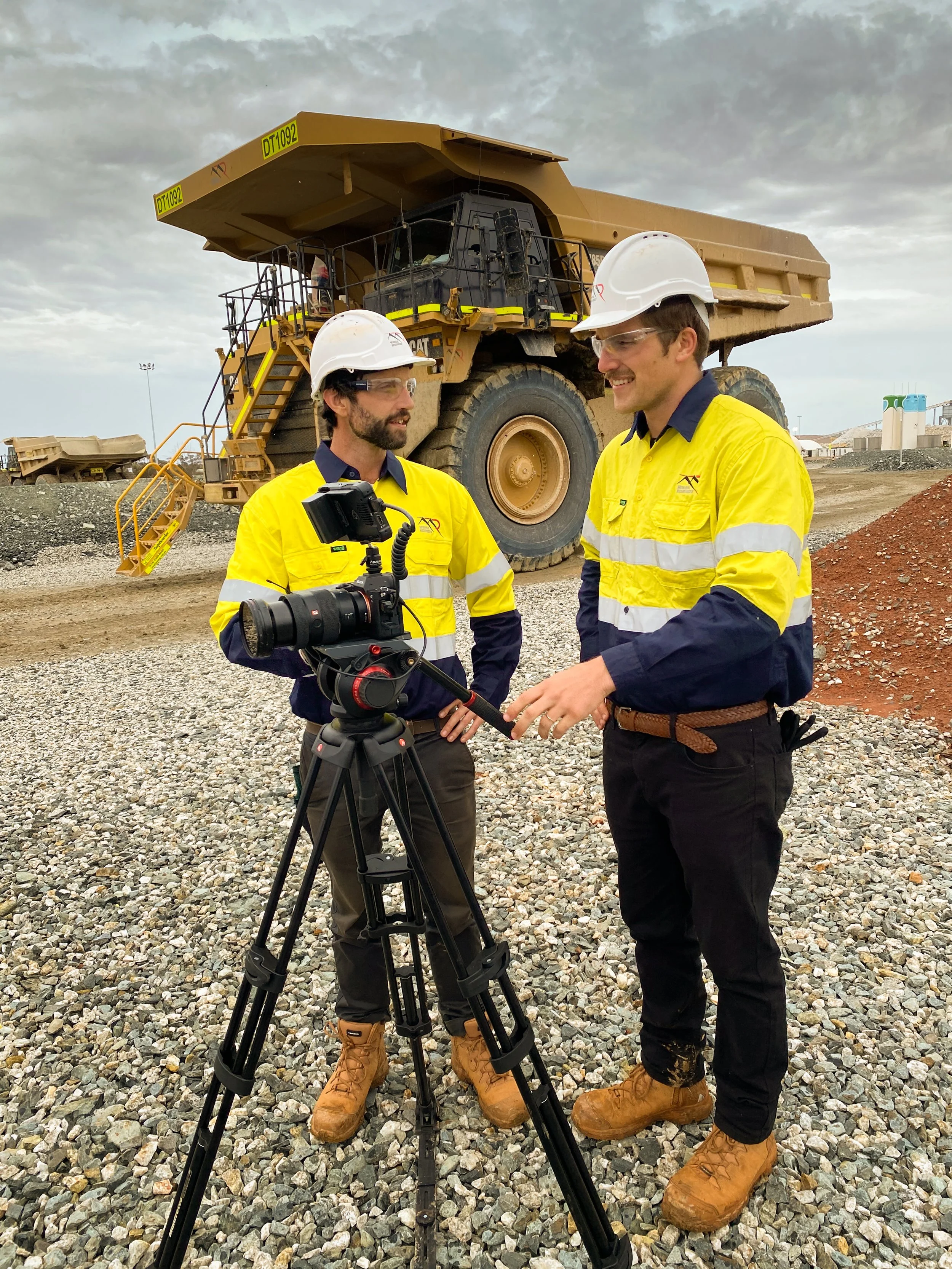
Mining media production includes mining videography, drone footage, corporate documentation, and industrial photography to help document operations, support safety awareness, and communicate progress to stakeholders.
Choosing the right media approach ensures visuals are accurate, professional, and aligned with operational requirements. With thoughtful planning and experienced execution, we create content that adds long-term value across mining projects.
Understanding the Scope of Mining Media Production
Mining media production covers a wide range of visual services, including mining videography, industrial photography, drone footage, and corporate documentation. Each service supports different objectives such as reporting, training, promotion, or internal communication.
Understanding what type of content is required helps ensure that media production aligns with the project’s goals and site conditions.
Importance of Mining Videography and Industrial Photography
Mining videography captures operational processes, machinery movement, and site activity in a clear and engaging way. Industrial photography complements this by providing detailed still images that highlight equipment, infrastructure, and working conditions.
Together, these visual tools help create a comprehensive record of mining operations while maintaining accuracy and professionalism.
Using Drone Footage for Site Overview and Progress
Drone footage offers an aerial perspective that is especially valuable in large mining environments. It allows teams to visually document site layout, progress, and scale without interrupting operations.
Aerial visuals also help present complex sites clearly to stakeholders, supporting planning, reporting, and long-term documentation when captured responsibly and safely.
Aligning Media with Corporate Documentation Needs
Corporate documentation is an essential part of mining media production. Visual records support compliance, reporting, audits, and long-term reference. High-quality documentation helps maintain transparency throughout the project lifecycle and ensures that important milestones and processes are clearly recorded.
Creating Consistent Visual Records
Consistency in visual documentation helps maintain professionalism and clarity. Using a unified style across photography and video makes content easier to reference and understand over time. These consistent records support internal reviews, operational planning, and historical documentation.
Supporting Training and Internal Communication
Visual media is also valuable for training and internal use. Showing real site conditions and workflows helps teams understand procedures and expectations more effectively. This practical approach strengthens communication and supports operational alignment across departments.
Optimizing Budget and Resource Allocation in Mining Media Production
Efficient use of budget and resources is critical when planning media production for mining projects. Proper allocation ensures high-quality content while keeping costs manageable.
By carefully planning what to capture and when, companies can avoid unnecessary expenses and focus their investments on the most impactful aspects of the project. This strategic approach helps deliver valuable visual content without overspending.
Prioritizing Key Project Areas
Focusing media efforts on critical phases and locations within the mining site helps maximize the impact of the production. Identifying priority areas ensures that important milestones, safety protocols, and operational highlights are well documented.
This prioritization guarantees that the most relevant and time-sensitive content is captured, which supports effective reporting and communication with stakeholders.
Leveraging Technology to Save Costs
Using advanced tools like drones, automated cameras, and remote monitoring systems can significantly reduce the need for large crews and frequent site visits. These technologies provide efficient ways to gather comprehensive footage from difficult-to-access areas, minimizing risk and cutting down on travel expenses. This technology-driven approach saves time and money while still delivering detailed and high-quality visual coverage.
Prioritizing Site Safety Media
Site safety media plays a crucial role in mining environments. Visual content focused on safety procedures, site layouts, and equipment usage supports awareness and compliance. Well-produced safety media helps reinforce best practices while ensuring content is captured without disrupting operations.
Experience and Industry Knowledge Matter
Mining environments require media teams that understand site protocols, safety requirements, and operational workflows. Experience in industrial settings ensures that content is captured efficiently and respectfully. Knowledge of mining operations helps media teams anticipate challenges and deliver accurate, meaningful visuals.
Long-Term Value of Professional Mining Media
Investing in professional mining media production creates assets that remain useful beyond a single project phase. Well-documented visuals support reporting, training, stakeholder communication, and future planning. When executed correctly, mining media becomes a long-term resource rather than a one-time deliverable.
Conclusion
Choosing the right mining media production approach requires careful consideration of safety, accuracy, and purpose. From mining videography and industrial photography to drone footage and corporate documentation, each element plays a role in clear communication and effective documentation.
By focusing on experience, consistency, and site-specific needs, mining projects can benefit from visual content that supports operations and long-term success. Get in touch with Apertunity Productions for professional mining media services.
FAQs
-
Mining media production involves creating visual content such as videography, photography, and documentation specifically for mining environments.
-
Drone footage provides clear aerial views of large sites, helping document progress, layout, and scale efficiently.
-
Industrial photography captures detailed images of equipment, processes, and site conditions for reporting and reference.
-
Site safety media supports training, awareness, and compliance by visually communicating procedures and best practices.
-
Experienced media teams understand site protocols and safety requirements, ensuring accurate and reliable visual content.